Choosing where to live is the first real decision you make in Singapore, and it quietly shapes everything after it: your commute, where you eat on a Tuesday night, and how often you see the same faces twice.
The island is small and the MRT reaches most of it, so no choice cuts you off. This guide covers the best areas to live in Singapore for expats, daily life in each, and the rental rules to know before you sign.
Quick summary
The best areas to live in Singapore for expats come down to your commute, your budget, and how easily you can walk into a place where people already know each other. This guide covers five neighbourhoods expats and long-stay nomads settle into, what each feels like day to day, and the lease rules that catch new arrivals out.
In this article
Before you choose where to live in Singapore
Start with the commute. Singapore is compact and the MRT does the work, and most people aim for a door to door trip of around thirty minutes. Check the line itself, not the distance on a map, since one change can move you across the island quickly.
Then think about space. Rents sit at the higher end near the centre, and moving a few MRT stops out tends to buy you an extra room. Decide early between a condo with a pool and gym or a whole HDB flat with more floor area, because the rules differ.
The third thing is the one people skip: whether the neighbourhood gives you somewhere to run into the same faces twice. A hawker centre within walking distance, a park with a morning crowd, or one of the coworking spaces in Singapore near your flat will shape your first three months. Look for that before you look at the floor plan.
Five areas to live in Singapore that suit expats
These five come up again and again with expats and long-stay nomads, and each suits a different kind of week. Wherever you land, the first month follows a familiar shape, which our guide on making friends as an expat covers in detail.
They span the walkable city fringe, the office core, the east coast, the leafy west, and the riverside centre. Here is how they line up on the two questions people ask first.
| Area | Who it suits | What it is close to |
|---|---|---|
| Tiong Bahru | A walkable daily routine | Hawker market, city fringe |
| Tanjong Pagar | Short commutes, eating out | Offices, shophouse dining |
| Katong and Joo Chiat | Space and sea air | East Coast Park, rail links |
| Holland Village | Families, greenery | Botanic Gardens, one-north |
| River Valley | Central riverside living | Orchard Road, river promenade |
If you want your social life to happen on foot, Tiong Bahru, Katong, and River Valley each put a market, a park, or a promenade within walking distance.
Tiong Bahru
Tiong Bahru sits just west of the city centre, a low-rise estate of curved pre-war blocks that kept its character as cafés and independent shops arrived. Tiong Bahru station on the East West Line and Havelock station on the Thomson-East Coast Line both serve it. Tiong Bahru Market anchors the estate, with a wet market downstairs and a hawker centre above.
Go up between eight and ten in the morning, when the breakfast stalls are at their best and the crowd is mostly local. Tables get shared at busy times, which is a simple way into a conversation.
The trade off is supply. The heritage blocks are compact and there are not many of them, so listings move fast. If nothing comes up, widen the search to the newer buildings along Havelock Road, still within reach of the same market.
Tanjong Pagar and Chinatown
If you want to delete your commute, look here. The shophouse rows along Duxton Road, Keong Saik Road, and Neil Road sit on the edge of the office towers, and Maxwell station connects to Tanjong Pagar and Chinatown.
Maxwell Food Centre is the anchor here, and it runs from breakfast through to late evening. Queues peak with the office lunch rush, so arrive before noon or after two for a seat without circling the hall.
The honest caveat is noise. The bar and restaurant streets nearby stay busy well into the night at weekends, and the area empties on Sunday mornings. It suits people who walk to work and eat out most nights.
Katong and Joo Chiat
Katong and Joo Chiat give you the east coast: Peranakan shophouses in pastel rows, independent food along Joo Chiat Road, and the sea a short walk away. In June 2024 the Thomson-East Coast Line opened Tanjong Katong, Marine Parade, and Marine Terrace stations, putting the neighbourhood on the rail network.
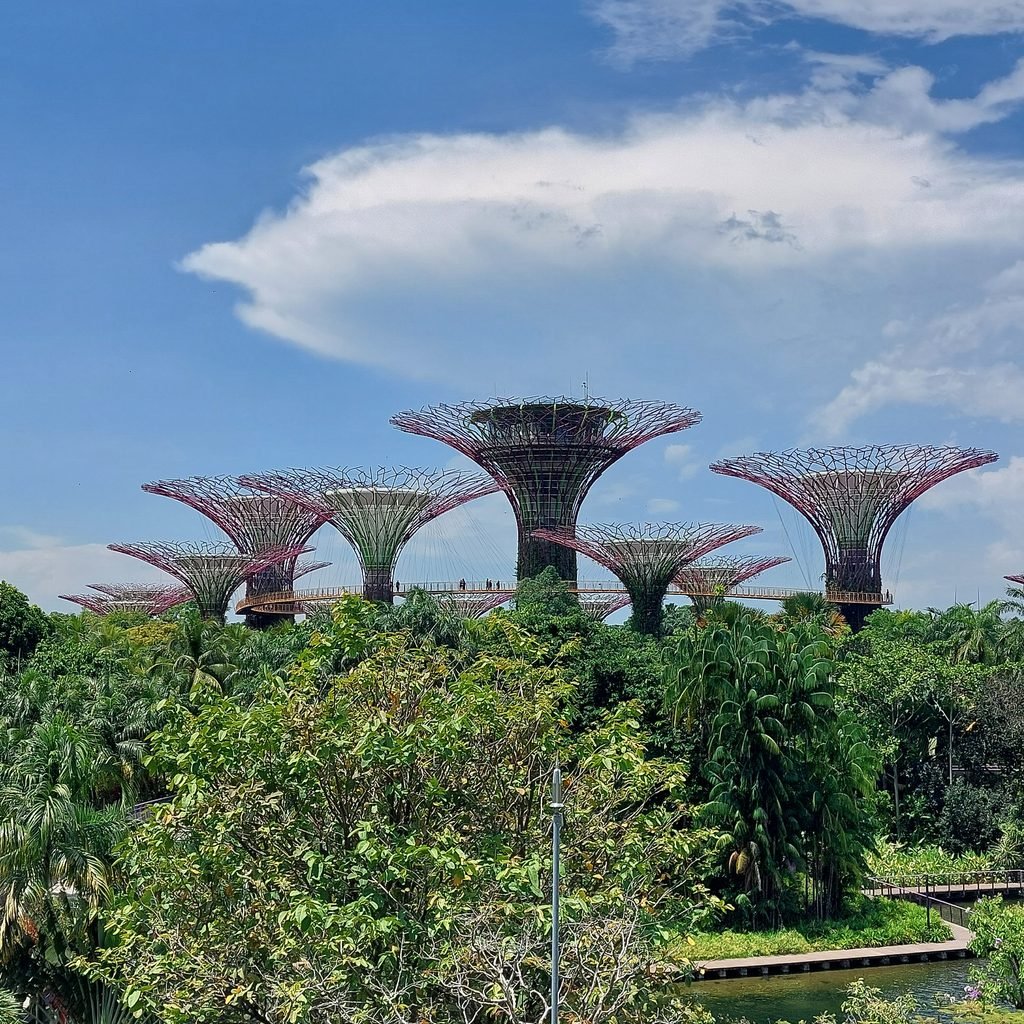
East Coast Park is what people move here for. The cycling path runs for kilometres and links through park connectors as far as Gardens by the Bay, and weekend mornings there are when the neighbourhood feels most like a community.
You sit further out, so test the commute before you commit. Marine Parade to Shenton Way runs at about twenty minutes on the new line. Siglap, one stop east, is a quieter version.
Holland Village and Bukit Timah
Holland Village has been an international pocket for decades, still built around the shophouse dining on Lorong Mambong and Lorong Liput. One Holland Village, completed in 2024, added a mall, offices, and serviced residences beside Holland Village station on the Circle Line.
Bukit Timah, just north, is the green and family end of the same area, close to the Botanic Gardens and a cluster of international schools. Check your route to work first, because the Circle Line usually means one change to reach the CBD.
This area suits families and anyone working at one-north or Buona Vista. For something newer and quieter, one-north itself is worth a look, with research campuses, restaurants in restored colonial houses at Rochester, and two MRT stations on foot.
River Valley and Robertson Quay
River Valley runs along the Singapore River between Orchard Road and the CBD, which puts you central without living inside the office core. Great World station on the Thomson-East Coast Line opened in November 2022 and sits on River Valley Road itself.
Robertson Quay is the riverside stretch, lined with cafés, gyms, and restaurants that spill onto the promenade. The path carries on to Clarke Quay and Boat Quay, and it fills with runners early and again after work, so a routine forms without much effort.
Rents sit at the top of the range, and buildings vary a lot in age and layout, so view the actual unit, not the listing photos. It suits people who want Orchard Road and the river on foot.
Renting in Singapore as an expat
Two rules catch new arrivals out. Private homes, meaning condos, apartments, and landed houses, carry a minimum tenancy of three consecutive months set by the Urban Redevelopment Authority. A whole HDB flat has a minimum of six months, and shorter listings are not legal.
Renting a whole HDB flat also needs the landlord to obtain approval, and it falls under a non-citizen quota, currently eight percent at neighbourhood level and eleven percent at block level. In popular areas that quota fills, so ask the agent to confirm it before you pay a deposit.
Most leases run one or two years, and expat contracts often include a diplomatic clause that lets you end early if your employer relocates you. Book somewhere short term for the first few weeks if you can, and test the commute at rush hour. Those weeks are also when our guide on how to make friends in Singapore is most useful.
A shortcut for meeting people in your new neighbourhood
Once you have picked an area, the next step is finding people to enjoy it with. Friendchise is built for that: join plans other people have posted near you for coffee, lunch, dinner, or drinks, or share your own plan and let others ask for a seat.
You can see people’s interests beforehand, so you already have something to talk about, and you decide who you meet. It is a friendly mix of locals and internationals, all there for the same reason.
Spend a weekend walking two or three of these areas, and pick the one where you can already picture your Saturday morning.