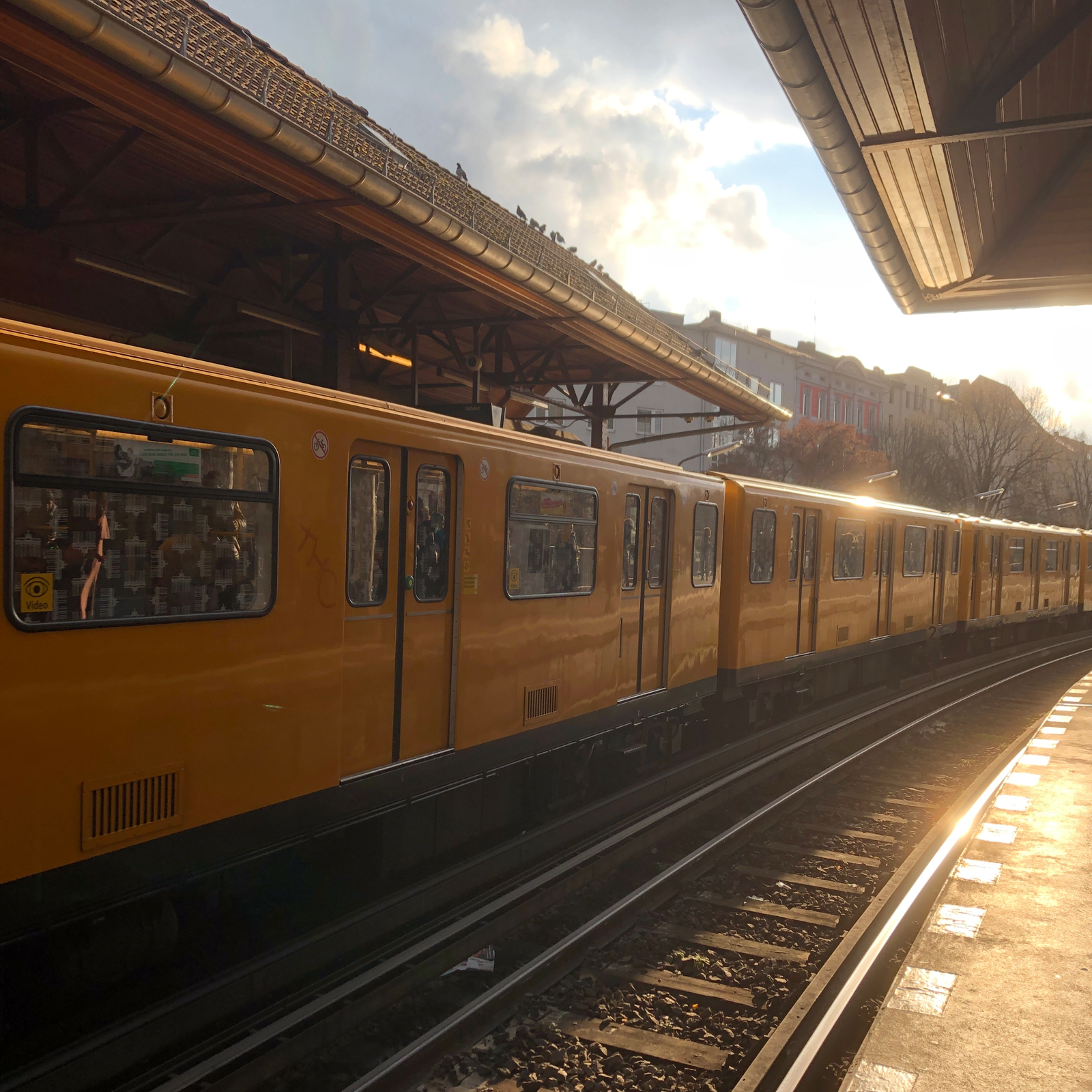
Finding a flat in Berlin can feel like a full time job before you have even started your actual one. Landlords ask for a Schufa file you do not have yet, listings vanish within hours, and most contracts run for a year or longer. Coliving in Berlin skips most of that: a furnished room, one monthly bill, and often a group of people who are just as new to the city as you are.
It will not solve everything on day one, and the right space still depends on what you actually need it for. This guide covers four verified spaces around the city, what each one is good for, and what to check before you commit to anything longer than a few weeks.
Quick summary
Coliving in Berlin is often the simplest way to land in a flat without a Schufa file or a year long lease. This guide covers four verified spaces across the city, what each one actually offers, and what to check before you sign anything longer than a few months.
In this article
Why finding a home in Berlin feels hard
Berlin’s rental market rewards people who already know the system. Private landlords usually want a Schufa credit file, proof of income, and a deposit worth three months of cold rent, none of which a newcomer has ready on week one. Popular areas like Kreuzberg, Neukölln, and Prenzlauer Berg see dozens of applicants for a single listing.
Viewings can turn into a queue of strangers filling out the same form on a clipboard, and you are expected to decide fast, often before you know the street or the neighbours. Listings also move between portals quickly, so a flat that looked promising in the morning is usually gone by evening.
Then there is the Anmeldung, the address registration that unlocks almost everything else: a bank account, a tax ID, sometimes even a phone contract. Subletters and short leases do not always come with the paperwork to provide it, which quietly rules out a lot of otherwise decent rooms.
What Berlin coliving spaces actually offer
Most Berlin coliving spaces bundle the essentials into one monthly payment: a furnished room, wifi, and at least some utilities, so there is nothing to set up in your first week. Minimum stays also tend to be short, sometimes as little as a month, instead of the year long commitment a private lease usually asks for.
The first weeks in a new city are exactly when making friends as an expat is hardest, since you do not yet have a desk neighbour or a regular café to return to. A shared kitchen and a community calendar give you both from day one, instead of an empty flat and a blank contacts list.
Several spaces also help directly with the Anmeldung, issuing the landlord confirmation you need to register your address, and some run everything through a digital contract so you can sign before you even land. The same principle shows up in coliving in Barcelona, where a furnished room and one bill do much of the same job for a very different rental market. Once the room itself is sorted, most newcomers look next for somewhere to work, and coworking spaces in Berlin fill that gap for the day the same way a shared kitchen fills it in the evening.
Four Berlin coliving spaces worth a look
These four sit in different corners of the city, so where you want to be matters as much as what is included in the rent. CREON CoSpace sits in Kreuzberg, right by Viktoriapark, while The Base is further north in Pankow, bordering Prenzlauer Berg.
They differ most on minimum stay and what counts as included, so here is how the four line up before you reach out to any of them.
| Place | Room setup | Who it suits |
|---|---|---|
| CREON CoSpace | Private room, shared kitchen | Longer stays with coworking |
| The Base | Private studio, shared lounges | Newcomers who want it sorted |
| Kerlin | Private room with bathroom | Short, flexible stays |
| i Live Urban Living | Own bathroom and kitchen | Students and quiet commuters |
Whichever one fits, ask exactly what the minimum stay is and what the rent includes before you sign, since that is where these four differ the most.
CREON CoSpace occupies a converted 1960s building a few steps from Viktoriapark, and the coliving rent covers all utility costs, so residents know their monthly bill before they move in. The shared CoLounge stays open until ten at night for dinner, studying, or simply somewhere to sit that is not your room. The Base pairs an all inclusive rent with a landlord confirmation that lets new residents register their address directly, plus a gym, a library, and a roof terrace on site.
Kerlin works a little differently. It began life as a boutique hotel in Charlottenburg, close to Kurfürstendamm, so check in is fully digital and bookings run from one month up to six, which suits anyone who is still deciding how long they are staying. i Live Urban Living sits out in Lichtenberg, quieter and further from the centre, with a shared event kitchen, a beach volleyball court, and a resident beehive that supplies its own honey.

What to check before you sign
Minimum stays vary a lot between these four, from one month at Kerlin to six or twelve months at CREON, so pick the space based on how long you are actually planning to stay, not just on whichever neighbourhood you like most. A short minimum stay usually costs you a bit on price, and a long one asks you to commit before you have properly settled in.
Ask exactly what “all inclusive” covers before you sign anything. Bundled rent can mean utilities only, or it can stretch to cleaning, wifi, and a landlord confirmation for your Anmeldung, and the gap between those two versions is worth knowing in advance.
Good rooms move quickly here too, particularly anything under six months, so have your passport and proof of income or student status ready before you apply. Coliving in Berlin usually cuts down the paperwork you would otherwise face with a private lease, though it is rarely none at all.
Community also varies a lot from one space to the next, and the marketing does not always make that obvious. Some spaces run weekly events and have a genuine social calendar, while others feel closer to a serviced apartment building with a shared corridor. Ask how often residents actually gather before you count on a space to hand you a ready made social life.
A shortcut for meeting people once you have moved in
A coliving kitchen is a good start, but it will not fill every evening. Friendchise is built for the rest of it: share your own plan for coffee, lunch, or dinner, or join one someone else has already posted nearby. You can see people’s interests before you say yes, so you already have something to talk about when you sit down.
It works just as well for a one to one coffee as it does for a small group over dinner, with a mix of locals and internationals who are all there for the same reason. It is free to try.
Sort the paperwork, pick the room that fits how long you are actually staying, and Berlin starts to feel like yours much sooner once that part is out of the way.